
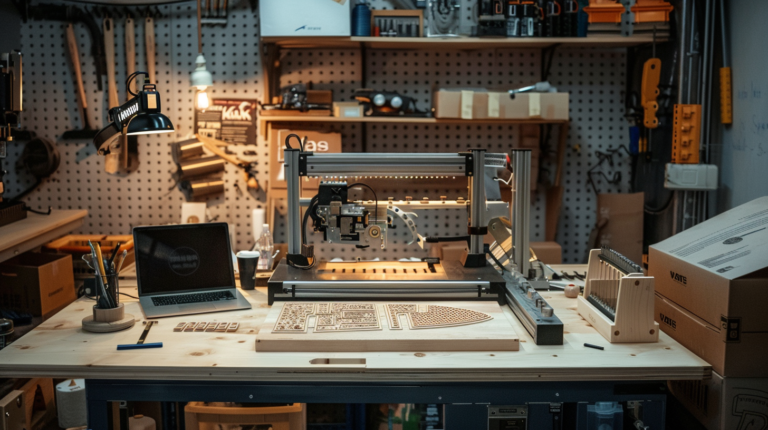
A budget laser engraver can absolutely support a business.
It just can’t support every kind of business.
That’s the distinction a lot of buyers miss.
People often treat “cheap” and “business-capable” like they’re opposites. They aren’t. A lower-cost machine can be a smart business tool when it matches the products, order volume, and workflow you’re actually running. But a cheap machine becomes expensive very quickly when the business depends on speed, material flexibility, consistency, or low downtime.
So the honest answer is this:
A budget laser can be enough for a focused, disciplined product business. It’s usually not enough for a broad, growing shop that needs faster production, easier acrylic work, stronger support, or a smoother day-to-day workflow.
If you’re still deciding whether laser is even the right first category, read What Machine Should You Buy First for a Side Hustle?. If you already know laser is the lane, this article is about whether the lower end of that market is actually a smart business buy.
The real question isn’t “is it cheap?”
The real question is:
What kind of business does this machine need to support?
A budget laser looks much more viable when the business is built around:
- simple engraved products
- a narrow material range
- manageable order volume
- repeatable templates
- light personalization
- patient growth instead of immediate scale
It looks much less viable when the business depends on:
- high output speed
- lots of acrylic cutting
- broad material flexibility
- heavy daily use
- customer deadlines with little room for downtime
- fast support when something goes wrong
That’s why some people make real money with an affordable diode machine, while others outgrow theirs almost immediately and feel like they wasted the money.
When a Budget Laser Is Enough
A budget machine is often enough when you’re in one of these situations.
1. You’re Validating a Product Lane, Not Trying to Build a Full Shop Overnight
If you’re still testing whether people will actually buy your products, a cheaper laser can be a smart first move.
That’s especially true if you’re making things like:
- ornaments
- keychains
- simple name signs
- small gift items
- leather patches
- engraved wood products
- coated tumblers or lighter personalization work
At this stage, the goal isn’t maximum capability.
The goal is to prove demand without overcommitting.
That’s one reason I generally think a disciplined budget buy is healthier than buying a much bigger machine based on fantasy demand.
2. Your Products Fit Diode Strengths Well
A lot of budget laser conversations are really diode-laser conversations.
And diode lasers can absolutely work for business use when the product mix fits the machine well.
That usually means:
- mostly wood-based products
- engraving more than heavy cutting
- thinner materials
- limited acrylic expectations
- products that don’t require oversized work areas
If that sounds like your business, a lower-cost machine may be enough for longer than people expect.
3. Your Workflow Is Narrow and Repeatable
Budget machines do best when the workflow stays simple.
If you’re running a small catalog with repeatable templates, the machine has a much better chance of earning its keep.
For example, a seller doing the same style of ornament, tag, or gift product over and over can often make a modest machine work surprisingly well.
A seller trying to do every custom request, every material, every size, and every trend usually runs into friction much faster.
4. You Can Tolerate Some Slowness Because Your Margins and Volume Still Work
A slower machine isn’t automatically a bad business machine.
It becomes a bad business machine when the slower output starts hurting delivery times, order capacity, or effective hourly profit.
Early on, you may be able to live with slower production if:
- your order count is still manageable
- your products price well enough
- your customization load isn’t chaotic
- the machine isn’t running against constant deadlines
That’s a very different situation from trying to fulfill daily volume on a machine that was really built for lighter use.
What Kind of Business Model a Budget Laser Can Realistically Support
The best business models for budget lasers are usually not broad “I can make anything” businesses.
They’re tighter businesses with clearer operational boundaries.
Good Fits for a Budget Laser
Focused Etsy or Website Product Lines
A smaller catalog of repeatable engraved items can work well, especially if personalization stays light and production steps stay simple.
Seasonal Sellers
If you plan ahead using something like Laticy’s Maker Project Calendar, a budget laser can support seasonal product runs without needing to behave like a full production shop year-round.
Craft Fair Sellers with Disciplined Product Lines
If you’re building around compact, repeatable products and planning ahead for events, a budget machine can be enough.
It’s much less likely to be enough if you’re trying to invent your catalog at the last minute before every show. That’s also why early seasonal planning matters in pieces like When to Start Preparing for Fall Craft Fairs.
Local Personalization Side Hustles
Simple award plates, gift items, tags, light business-branded goods, and similar jobs can sometimes fit a budget machine well if turnaround expectations are realistic.
Where Budget Machines Become False Economy
This is the part buyers usually need most.
A machine is false economy when the money you save upfront gets eaten by lost time, lower output, missed opportunities, or replacement pressure.
1. When Speed Matters More Than You Admitted to Yourself
A lot of people say they’re fine with slower production.
Then paid orders start coming in.
Then every extra minute per item starts to matter.
Speed isn’t just about convenience.
It affects:
- how many orders you can finish
- how late you’ve to work
- how many product types remain worth offering
- how profitable custom work actually is
If the machine can technically do the job but makes each order too slow to be worth the effort, the low price stops being a win.
2. When Acrylic Is a Real Part of the Business
This is one of the biggest buying mistakes.
If acrylic is central to the business, a lot of budget lasers are the wrong answer from the start.
This is where readers should also look at the broader segmentation in Best Laser Engraver for Small Business in 2026, because the real issue is often not just budget. It’s choosing the wrong laser type for the products.
If your product line depends on regular acrylic cutting, clearer acrylic results, or broader material flexibility, saving money upfront on a weaker machine can easily become the more expensive path.
3. When Support and Downtime Matter
A hobby buyer can sometimes tolerate slow support, parts delays, or more trial-and-error.
A business buyer feels those costs differently.
If orders are waiting, poor support is expensive.
If a replacement part is hard to source, downtime is expensive.
If setup quirks keep eating production time, that’s expensive too.
This is one reason some buyers are better off paying more for a machine ecosystem with stronger support, cleaner setup, or easier parts access.
4. When You Outgrow the Work Area Too Quickly
A machine can be “good enough” in theory and still be too small in practice.
If you keep redesigning products to fit the machine instead of choosing products because they’re strategically smart, the machine is starting to distort the business.
That’s usually a sign the budget choice may have been too conservative.
5. When Maintenance and Tinkering Become Part-Time Jobs
Some buyers are more comfortable troubleshooting than others.
There’s nothing wrong with that.
But there’s a real business difference between:
- learning your machine responsibly
- constantly fixing, adjusting, or compensating for a machine that adds friction to every week
A cheap machine that keeps demanding mental bandwidth isn’t as cheap as it looks.
What Buyers Usually Underestimate
This is where a lot of bad equipment decisions come from.
Speed Isn’t Just a Spec-Sheet Issue
People underestimate how much production speed changes the economics of the shop.
A product with decent margin can become weak fast if output takes too long.
Materials Aren’t Interchangeable
Many new buyers still think in general terms, like “I want to do wood, acrylic, tumblers, leather, metal, maybe signs, maybe gifts.”
That’s usually too broad for a budget-first decision.
The more serious your material demands, the more likely a cheap machine turns into a compromise machine.
Support Matters More When Customers Are Waiting
Brand reputation, parts availability, software stability, and warranty clarity matter much more when the machine is tied to paid work.
This is where natural affiliate opportunities can fit without getting pushy. For example, if someone wants an enclosed beginner-friendly system with a cleaner home-shop workflow, an xTool S1 is the kind of machine worth comparing. If they already know they need stronger CO2 capability, OMTech or Monport-style options may be more realistic comparisons. The point isn’t the brand first. The point is matching the business need first.
Maintenance Isn’t Just Occasional Inconvenience
Lenses get dirty. Alignment issues happen. Smoke and residue affect results. Settings take testing. Parts wear out. Materials behave differently than expected.
None of that means budget machines are bad.
It means machine ownership has operational drag, and lower-cost ownership often involves more tolerance for that drag.
Workflow Friction Quietly Kills Profit
This is the big one.
Workflow friction includes things like:
- awkward file setup
- poor repeat alignment
- slower job prep
- messy finishing steps
- difficult batching
- more failed runs than expected
- constant adjustment between materials
One or two of those is manageable.
A pile of them turns a “good deal” into a tiring business.
My Practical Recommendation by Business Stage
If You’re Testing a Side Hustle
Yes, a budget laser can be a smart buy.
Pick one clear lane, keep the product line narrow, and avoid buying for every future possibility.
If You’re Already Selling Consistently
Be more careful.
At this stage, the machine’s friction matters more. If demand is real, stronger support, faster output, and better material capability may justify spending more.
If Acrylic or Broader Cutting Flexibility Is Central
Skip the wishful thinking and price the right category of machine instead.
Saving money on the wrong machine isn’t disciplined. It’s usually delayed spending.
If You Want the Machine to Support a Real Growing Business
Think beyond purchase price.
Think about throughput, support, maintenance tolerance, downtime risk, and whether the machine still makes sense six months after the first sales momentum arrives.
Final Answer
So, can a budget laser engraver actually support a business?
Yes.
But usually only when the business is:
- focused
- product-disciplined
- running within the machine’s real limits
- not overly dependent on speed, acrylic capability, or constant production volume
A cheap machine isn’t automatically a bad business decision.
It’s often a smart one for the right operator at the right stage.
The mistake isn’t buying budget.
The mistake is expecting a budget machine to perform like a smoother, faster, broader, more production-capable system than it really is.
If you keep that distinction clear, a lower-cost laser can absolutely help build a real side hustle or early-stage product business.
If you ignore that distinction, it can become false economy fast.
If your next question is profitability, read How Much Can You Make With a Laser Engraving Business?. And before you overbuy equipment based on weak math, use Laticy’s Product Pricing Calculator.
FAQ
Can You Run a Real Business with a Budget Laser Engraver?
Yes, but usually only if the product line fits the machine’s strengths and limits. Focused engraving-based businesses are a much better fit than broad, high-output shops.
Is a Cheap Laser Engraver Good Enough for Etsy?
It can be, especially for a narrow line of repeatable products with light personalization. It’s less ideal for a chaotic catalog with many materials and heavy custom work.
When Should You Skip a Budget Laser and Save for Something Better?
Usually when acrylic is central, output speed matters, order volume is growing, or downtime and support issues would hurt the business too much.
What Is the Biggest Mistake Buyers Make with Budget Lasers?
They confuse low purchase price with low operating cost. A machine can be affordable upfront and still cost the business too much in time, friction, missed capacity, and early replacement pressure.
[…] you are still validating whether a lower-cost laser can support your product idea, read Can a Budget Laser Engraver Actually Support a Business? before jumping into a premium […]