
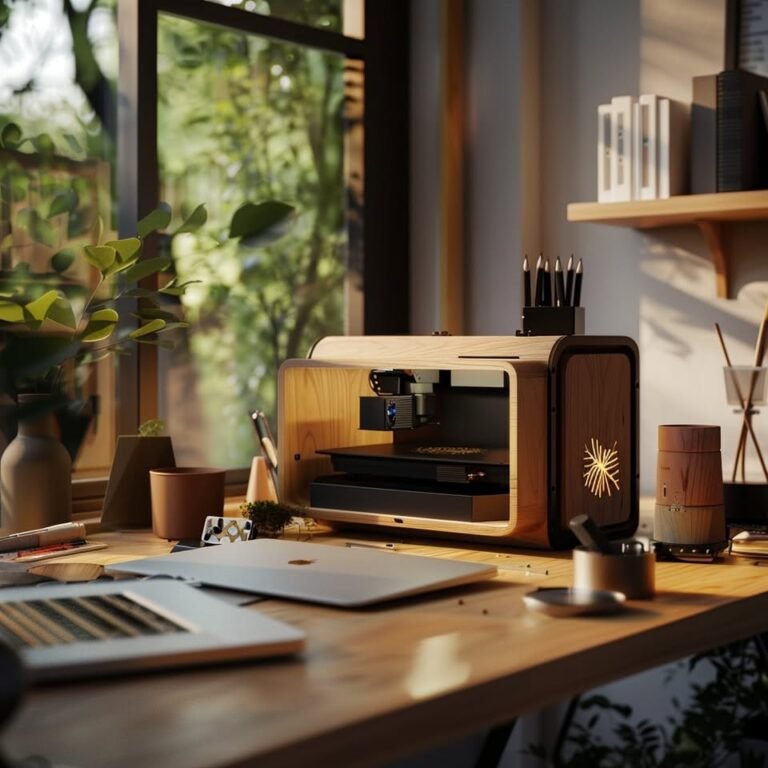
This Isn’t a Hobby Anymore
There’s a moment most home-based business owners hit.
It’s usually late at night. You’re in the garage, or at the kitchen table, finishing up one more order. And it hits you:
“This could actually be something real.”
In 2026, that moment matters more than ever.
Because the gap between “small shop” and “real business” has almost disappeared. The tools are better. The platforms are smarter. And customers? They don’t care if you’re running things out of a spare bedroom—as long as you deliver.
But here’s the part no one talks about enough:
Working harder isn’t what gets you there. Working smarter is.
So instead of chasing trends, let’s walk through five practical shifts that actually move the needle—the kind you can start today without blowing your budget or burning yourself out.
1. Your Website Isn’t Just a Store—It’s Your First Impression



If your website feels slow, confusing, or outdated… customers don’t stick around long enough to care how good your product is.
That’s just the reality.
Think about your own habits—you click a link, it takes more than a couple seconds to load, and you’re already backing out. Your customers are doing the same thing.
And this isn’t just about user experience anymore. Google is actively rewarding faster, cleaner sites. That means speed directly impacts whether people even find you in the first place.
What actually moves the needle:
Instead of overcomplicating things, focus on a few high-impact fixes:
-
- Use a lightweight theme (skip the bloated “all-in-one” designs)
-
- Compress your images before uploading (this alone makes a huge difference)
-
- Keep plugins to a minimum—only what you actually use
-
- Use a hosting provider that prioritizes performance
If you’ve been using a cheap, generic host, upgrading to something like Hostinger can make a noticeable difference without breaking the bank.
Simple takeaway:
If your site loads fast and feels clean, you instantly look more legitimate—and that translates directly into sales.
2. Don’t Try to Sell Everywhere—Sell Where It Already Works



3. Automation Isn’t a Luxury—It’s How You Get Your Time Back
One of the biggest mistakes I see is trying to force traffic to a brand-new website… with zero built-in audience.
That’s a tough road.
Instead, smart home-based businesses are meeting customers where they’re already shopping.
That might look like:
- Etsy
- Niche maker marketplaces
- Even social-driven shops
These platforms already have traffic. Already have trust. Already have buyers ready to click “purchase.”
And here’s where it gets interesting…
You can stack this with affiliate-style content or product recommendations. If you’re already creating, reviewing, or talking about tools, you can turn that into a second revenue stream.
You’ll see this across the maker space with tools like:
Not because they’re trendy—but because they fit real workflows.
Simple takeaway:
You don’t need more traffic—you need to be in the right places where buyers already are.


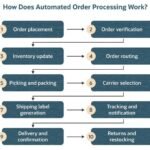
At some point, every growing business hits a wall.
Not because of demand—but because of time.
You’re answering the same messages. Sending the same confirmations. Updating the same tracking info.
That’s where automation quietly changes everything.
And no—you don’t need to be technical to make this work.
Tools like Zapier or Make let you connect the dots:
- Order placed → confirmation email sent automatically
- New customer → added to your email list
- Shipment created → tracking info sent instantly
It’s not flashy. But it adds up fast.
Even saving 10–15 minutes per order can give you hours back every week.
Simple takeaway:
If you’re doing something more than twice manually, there’s probably a way to automate it.
4. The Real Growth Lever? People Who Come Back



Getting a sale feels good.
Getting that same customer to come back again? That’s where things start to compound.
And here’s the shift a lot of people miss:
You’re not just selling a product—you’re building a relationship.
That might look like:
- Posting behind-the-scenes content of your process
- Sharing wins (and even the occasional mistake)
- Engaging with comments like you’re talking to real people—because you are
Over time, that turns into something powerful:
- Repeat customers
- Word-of-mouth referrals
- People who want to support your business
And if you ever plan to scale, this becomes your foundation.
Simple takeaway:
A small, loyal audience will outperform a large, disconnected one every time.
5. Better Tools Don’t Just Make Things Easier—They Change What’s Possible

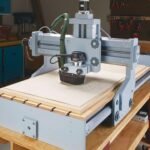

There’s a point where upgrading your equipment stops being an expense… and starts being a multiplier.
Better tools can mean:
- Faster production
- Cleaner results
- Less wasted material
- More product options
And in today’s market, entry-level machines are surprisingly capable.
You’ll see a lot of makers stepping into tools like:
Not because they’re chasing the newest thing—but because it lets them produce at a level that used to require a full shop.
Simple takeaway:
The right upgrade doesn’t just save time—it opens new revenue streams.
Final Thoughts: You Don’t Need to Do Everything—Just Start With One
If you look at all five of these together, it might feel like a lot.
But here’s the truth:
You don’t need to overhaul your entire business overnight.
Start with one:
- Speed up your website
- Add one automation
- Try one new sales channel
Small changes stack faster than you think.
And if you keep moving in the right direction—even a little at a time—you’ll wake up one day and realize…
This isn’t just a side project anymore.
[…] a stable small shop isn’t just sales volume. It’s operational discipline. Laticy’s Home Based Business Tips 2026 gets at the same broader point from the business […]